The University of the Free State (UFS) continues to advance its global academic collaborations, as evidenced by the recent keynote address delivered by Prof Hussein Solomon at the prestigious International Young Scholars Conference at Jawaharlal Nehru University on 3 October 2024. In addition to his keynote, Professor Solomon presented a thought-provoking lecture titled “India’s Contribution in Ensuring Africa’s Security” at Jamia Millia Islamia on 4 October 2024, highlighting India’s significant role in the African security landscape.
A notable outcome of this visit is the pending finalisation of a Memorandum of Understanding (MoU) with Delhi University. This agreement aims to expand the current partnership with Jawaharlal Nehru University from a faculty-level agreement to a comprehensive, institution-wide collaboration across multiple disciplines beyond the humanities. This development will facilitate joint research initiatives, collaborative PhD supervision, and joint funding proposals, marking a significant step forward for both institutions.
Prof Solomon’s academic contributions extend beyond administrative agreements. He is co-editing a forthcoming book on BRICS and climate change with Prof Bashabi Gupta from the Department of Geography at Delhi University. This work aligns with the upcoming BRICS Summit in Kazan, Russia, later this month. Moreover, plans are underway for a second volume, as well as a new book focused on feminist decoloniality from African and Asian perspectives, which seeks to amplify marginalised voices in global scholarship. Read more…
Date: 04 October 2024
Author: Dr Nitha Ramnath
Photo: Supplied
https://ieasa.studysa.org/wp-content/uploads/2022/04/Logo.png00rochi-adminhttps://ieasa.studysa.org/wp-content/uploads/2022/04/Logo.pngrochi-admin2024-12-04 14:08:262024-12-04 14:20:24UFS’ Prof Hussein Solomon fosters cross-cultural dialogue in India
Sefako Makgatho Health Sciences University (SMU) plays a critical role in contributing to the transformation of the health sciences sector in South Africa and Africa, while at the same time making a meaningful contribution to the needs of the community it serves and the continent as a whole. Engaging in activities aligned to the United Nations’ Sustainable Development Goals thus allows the institution collaboratively to make a difference in local and international communities.
It is thus with great pleasure that SMU can announce that it has been accepted into the United Nations Academic Impact Network (UNAI). It joins a vast network of more than 1600 institutions in more than 150 countries. Of these institutions, only five other public South African universities from part of the Network.
This network provides a platform where higher education institutions can engage “with the United Nations in supporting and contributing, through research and education, the realisation of the Organization’s values, goals and mandates, namely through the Sustainable Development Goals and the ten UNAI Principles”.
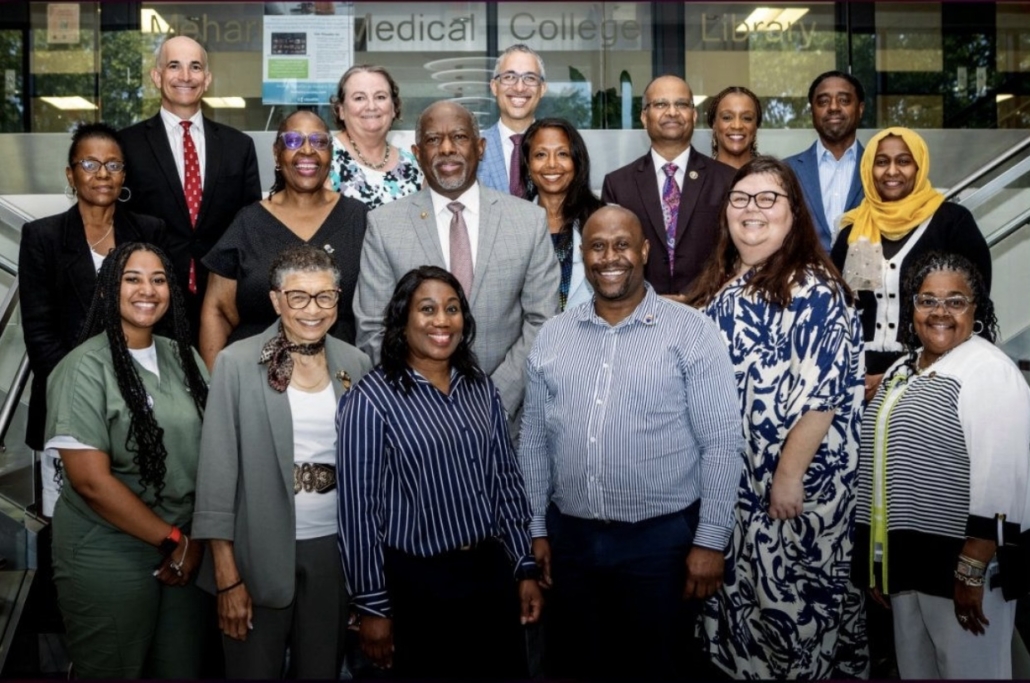
“Dr Michael Caldwell from our new institutional partner, Meharry Medical College, greatly assisted us in engaging with the UNAI,” said Dr Carlien Jooste, Director Internationalisation at SMU. She further commented, “admission to the UNAI allows us to have access to other collaborators through the Members Forum, scholarship opportunities as well as a platform where we can share the SDG aligned activities that we are engaging in.”
https://ieasa.studysa.org/wp-content/uploads/2022/04/Logo.png00rochi-adminhttps://ieasa.studysa.org/wp-content/uploads/2022/04/Logo.pngrochi-admin2024-12-04 13:18:552024-12-04 13:27:02SMU accepted into the United Nations Academic Impact Network
In 2023, Sefako Makgatho Health Sciences University was invited by the Department of Higher Education and Training to join then Minister, Dr Blade Nzimande, to discuss how South Africa’s Historically Disadvantaged Institutions (HDIs) can strengthen and grow their collaboration and partnership with the United States of America’s (USA) Historically Black Colleges and Universities (HBCUs). There is great significance in a collaboration between these two types of institutions.
According to Sierra and Swanston (2023), the USA’s Department of Education “defines an HBCU as a college or university established before 1964 with the primary mission of educating Black students.” There are 99 HBCUs located across the United States. These institutions represent a “small percentage of America’s higher education landscape, however, they graduate nearly 50% of the country’s Black teachers, 70% of Black doctors and dentists, and 80% of Black lawyers.”
SMU, as an HDI, a niche university and as an institution growing its international footprint, commenced investigating the mutual benefit, opportunities and possibilities in working with such institutions. After months of planning and organizing, the SMU Internationalisation Directorate, under the guidance of Internationalisation Director, Dr Carlien Jooste, accompanied Dean of the School of Health Care Sciences, Prof Douglas Maleka; Acting Dean of the School of Dentistry, Prof Dini Mawela; and Director Research and Innovation on this historic and first visit to the USA.
SMU’s host was Meharry Medical College (Meharry), located in Nashville, Tennessee. Both institutions share a commitment to advancing medical education and global health. Meharry’s President and CEO, Dr James E.K. Hildreth commented that “this groundbreaking alliance between two historically Black institutions is a testament to our shared dedication to transforming health care and tackling global health challenges.”
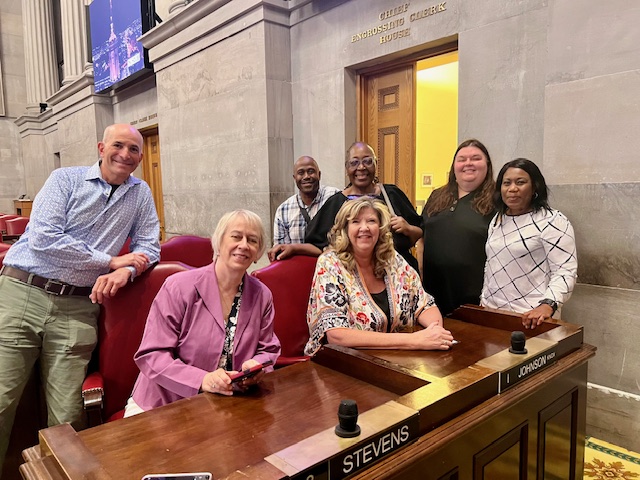
Dr Anil Shanker (Senior Vice-President for Research and Innovation), Dr Michael Caldwell and Mr Terry Olsen from Meharry assisted and accompanied the SMU team to various institutional meetings in New York, Nashville and Memphis. These meetings allowed SMU to not only host presentations and discussions on SMU, but also commence with networking for Schools and the institution as a whole.
SMU and Meharry also signed their official MOU. “This historic visit allowed SMU the opportunity to engage with institutions with a similar origin story. We hope to grow our footprint in the US and among HBCUs,” said Dr Carlien Jooste, Director Internationalisation at SMU.
https://ieasa.studysa.org/wp-content/uploads/2022/04/Logo.png00rochi-adminhttps://ieasa.studysa.org/wp-content/uploads/2022/04/Logo.pngrochi-admin2024-12-04 13:17:092024-12-04 13:27:07SMU undertakes historic visit to the United States of America
A team from UKZN recently took to the international stage as part of the Cybathlon, a global contest that promotes ingenuity and advancement of assistive technologies.
UKZN’s Touch Hand – a low-cost arm prosthesis that empowers amputees with the ability to do regular household tasks, was entered in the Cybathlon – regarded as the Olympics of prosthetics devices.
Once the robotic arm is attached to the pilot, it is able to pick up signals from the user’s muscles and feed them into the device’s computers.
The computers are able to decode EMG (electromyography) electrodes, which is electrical activity produced by skeletal muscles of the pilot, and instructions are sent to the fingers for the execution of various hand gestures.
Power for the device is drawn from attached USB power banks.
A total of 76 teams from around the world participated from 25-27 October in the event organised by Swiss public research university ETHZürich; either in person in Switzerland, or virtually from regional hubs.
Advancing research in the field of assistive technology, producing prosthesis and promoting inclusion of people with disabilities in everyday life is the aim of the programme.
UKZN’s participation was supported by the Robotics Association of South Africa and the local Swiss Embassy.
Other categories of the competition included: brain-computer interface; functional electrical stimulation; leg prosthesis, wheelchair and assistance robot.
Caption: UKZN’s Touch Hand team prepare for the international Cybathlon competition.
The Cancer & Infectious Diseases Epidemiology Research Unit (CIDERU) in the College of Health Sciences at UKZN has been awarded a grant of R15m by the Bristol-Myers Squibb Foundation (BMSF) to further its pioneering work in lung cancer care across KwaZulu-Natal.
The funding will support the Lung Cancer Care Continuum in KwaZulu-Natal initiative – a project that officially began on 1 November this year and will continue until 31 January 2026.
Led by Principal Investigator Professor Themba Ginindza and an interdisciplinary team, the project is an extension of the critical work previously carried out under the Multinational Lung Cancer Control Programme (MLCCP). Building on phases 1 and 2, which addressed essential areas of lung cancer prevention, diagnosis, and treatment, this third phase aims to expedite the lung cancer care pipeline in KZN, beginning with patients awaiting further diagnostic evaluation and early intervention. Phase 3 will advance the Lung Cancer Diagnostic Unit (LCDU) at Addington Hospital in Durban, addressing diagnostic backlogs and facilitating early treatment.
This project is part of the MLCCP covering the nine countries in sub-Saharan Africa, with the overall goal of improving access to early diagnostic services for lung cancer by addressing the barriers of cancer care through working with communities and the Ministries of Health in the identified region. This co-operation between African countries has grown in leaps and bounds – beginning with only Eswatini, Kenya, South Africa and Tanzania, it has grown to include Lesotho and Ethiopia, and now a further expansion to incorporate Malawi, Zambia and Zimbabwe is foreseeable. This augurs well working towards the University’s goal of being: ‘A globally-ranked research-intensive university responding to major societal, economic and environmental challenges’ affecting the African continent.
‘With BMSF’s continued support, we’re not only able to improve early detection and diagnostic capacity, but also foster a healthcare environment that empowers local communities through cancer awareness and palliative care,’ said Ginindza. ‘The formal signing of the funding agreement with BMSF cemented this partnership, aligning resources and goals for impactful cancer care.’
The CIDERU programme will also expand its outreach by training healthcare professionals and community leaders, providing them with skills essential to cancer awareness and palliative care, which are pivotal in regions with limited access to cancer treatment resources. As part of the BMSF-backed initiative, CIDERU’s work with the MLCCP now includes nine African countries, positioning it as a significant force in shaping sustainable cancer care pathways across the continent.
CIDERU’s role in lung cancer research and patient advocacy highlights UKZN’s commitment to health equity, advancing collaborative efforts with government and healthcare institutions to ensure that the improvements made during the programme’s duration endure well beyond its funding cycle.
https://ieasa.studysa.org/wp-content/uploads/2022/04/Logo.png00rochi-adminhttps://ieasa.studysa.org/wp-content/uploads/2022/04/Logo.pngrochi-admin2024-12-04 13:04:092024-12-04 13:04:10R15m Funding for Cancer and Infectious Diseases Research
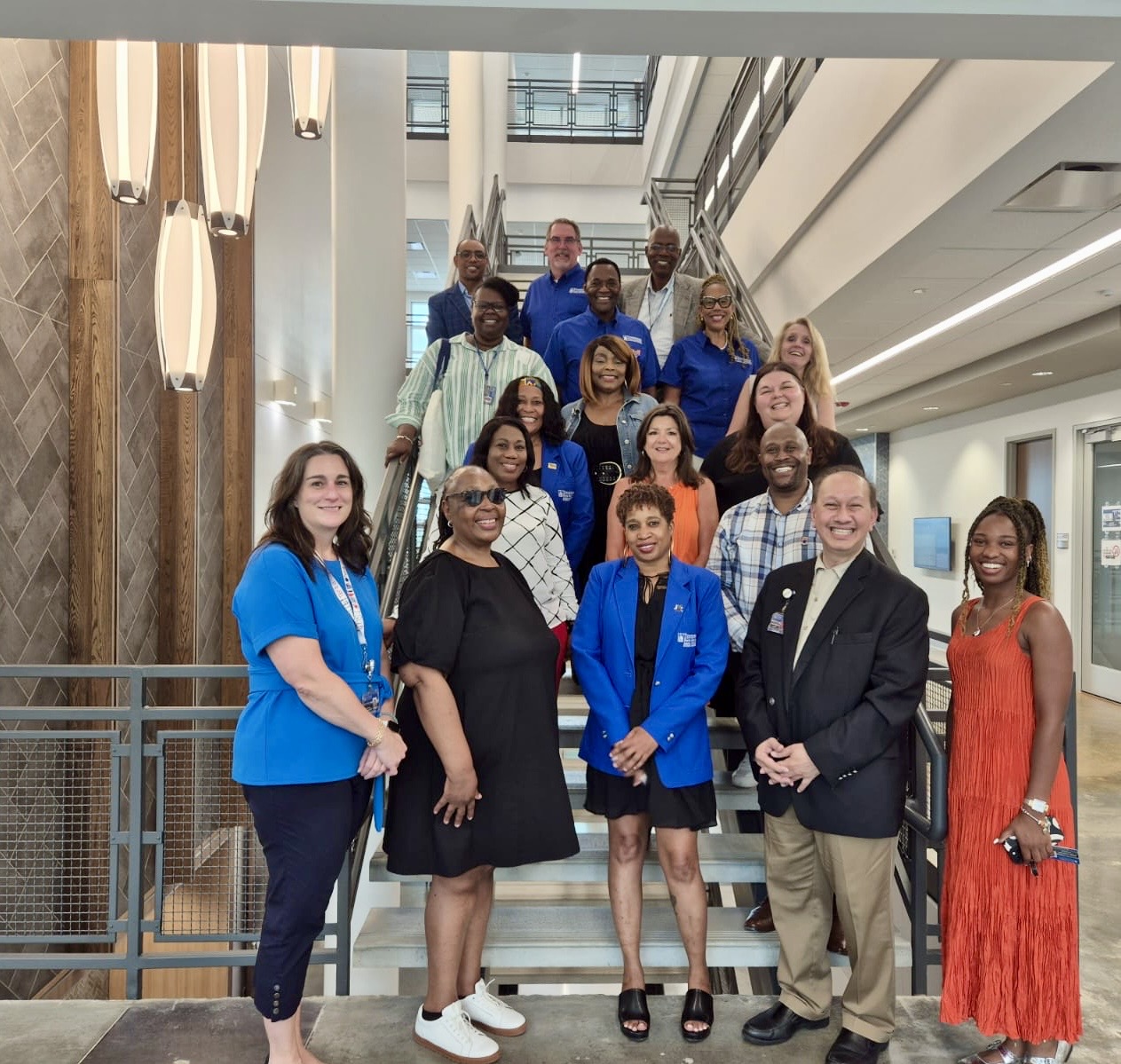
The Corporate Relations Division (CRD) at UKZN proudly hosted this year’s International Partner Week, bringing together an exceptional network of delegates from leading universities and agencies across South Africa and the globe. Attendees represented over 20 countries, including Tanzania, Mauritius, Sri Lanka, Madagascar, Ethiopia, Belgium, and the USA, among others, making it a truly international gathering focused on strengthening strategic partnerships.
Anchored in UKZN’s Strategic Plan for targeted internationalisation, the programme centred on both deepening existing partnerships and creating new connections, underlining UKZN’s commitment to global academic excellence and innovation. Throughout the week, delegates visited UKZN’s centres of excellence, exploring research projects and cutting-edge innovation hubs, culminating in the International Summit, a highlight that set the stage for impactful discussions on collaborative and inclusive growth.
In his welcome remarks, UKZN Vice-Chancellor and Principal Professor Nana Poku articulated the transformative potential of global collaborations, emphasising partnerships that extend beyond borders to drive substantial change. ‘We are all looking for collaborations and partnerships that are global in their inclusive potential, reach, and, ultimately, impact. This is not an exaggeration, as university and public-private collaborations have been instrumental in the rapid development of COVID-19 vaccines,’ he said, adding that the summit’s focus on innovation encompassed more than just medical breakthroughs. ‘Innovation is needed in all sectors of human life, from infrastructure and services to transformative social models.’
Poku expressed pride in UKZN’s world-class centres of excellence, sharing his vision for fostering fruitful collaborations. The summit then saw contributions from thought leaders, including Professor George Painter, CEO of Drug Innovation Ventures at Emory University (DRIVE), who highlighted the critical role of sustainable frameworks for pandemic preparedness through equitable Global North-South partnerships. ‘The partnership between UKZN and Emory University is a powerful one; infectious diseases demand a global response,’ said Painter.
Further highlighting UKZN’s unique position, Professor Michael Brooks, Director of the Aerospace Systems Research Institute (ASRI), spoke on the University’s suborbital test station – the only one in Africa – and ASRI’s efforts in advancing STEM education. Brooks discussed ASRI’s mission to build expertise in liquid rocket engineering and engage communities through STEM outreach, fostering a broader understanding of space science and its relevance to daily life.
The summit’s agenda also featured thematic sessions designed to address key areas of globalisation and innovation. In a session on Cross-Sector Partnerships for Innovation, Dr Nhlanhla Msomi, Executive Director of UKZN’s Health Consortium, examined the need for disruptive market models to sustain innovation as a social construct. Dr Richard Lessells of KRISP (KwaZulu-Natal Research Innovation and Sequencing Platform) provided insight into fostering partnerships rooted in equity and trust, which proved essential in mobilising rapid pandemic responses.
In another parallel session on Collaborative Online International Learning (COIL), panellists including Dr Casey Dinger from the University of Denver, and Dr Lavern Samuels and Dr Divinia Jithoo from the Durban University of Technology (DUT), discussed how COIL serves as a dynamic pathway for global mobility. They underscored COIL’s benefits for students, especially in enhancing digital literacy and making internationalised curricula more accessible and interactive.
Complementing the summit’s broad scope, additional sessions explored themes such as “North-South Mobility”, “Global Academic Networks”, and “Best Practices in Strategic Collaboration for Global Engagement”. Delegates also participated in a pre-summit dialogue on Intra-Africa Internationalisation, led by Ms Nonhle Mdlalose of DUT, who discussed the African Partnership Universities Alliance’s (APUA) vision for deepening intra-African collaboration in Higher Education.
One of the week’s standout workshops, presented by Dr Akan Odon, Head of African Strategic Partnerships at Lancaster University, offered a practical guide on internationalisation and resource mobilisation. His session on funding strategies emphasised the importance of aligning expertise with funding sources, grounding projects in data-backed problems, and forming a “Money Crew” to manage all aspects of grant acquisition – from sourcing and finance to proposal writing.
The week’s close was a cultural celebration that honoured the diversity and vibrant traditions of attendees through cuisine, fashion, and music, along with a scenic tour of Durban. Executive Director of CRD, Ms Normah Zondo, reflected on the power of connection and collaboration that resonated throughout the summit. ‘This week highlighted the immense value of dialogue and co-operation. While the International Partner Week may have ended, the partnerships we’ve created are just beginning,’ she said, extending her gratitude to the CRD team, participants, and contributors for their role in the week’s success.
Highlights from UKZN’s International Partner Week.
https://ieasa.studysa.org/wp-content/uploads/2022/04/Logo.png00rochi-adminhttps://ieasa.studysa.org/wp-content/uploads/2022/04/Logo.pngrochi-admin2024-12-04 13:00:282024-12-04 13:00:56International Partner Week Puts Innovation and Globalisation at the Forefront
We may request cookies to be set on your device. We use cookies to let us know when you visit our websites, how you interact with us, to enrich your user experience, and to customize your relationship with our website.
Click on the different category headings to find out more. You can also change some of your preferences. Note that blocking some types of cookies may impact your experience on our websites and the services we are able to offer.
Essential Website Cookies
These cookies are strictly necessary to provide you with services available through our website and to use some of its features.
Because these cookies are strictly necessary to deliver the website, refusing them will have impact how our site functions. You always can block or delete cookies by changing your browser settings and force blocking all cookies on this website. But this will always prompt you to accept/refuse cookies when revisiting our site.
We fully respect if you want to refuse cookies but to avoid asking you again and again kindly allow us to store a cookie for that. You are free to opt out any time or opt in for other cookies to get a better experience. If you refuse cookies we will remove all set cookies in our domain.
We provide you with a list of stored cookies on your computer in our domain so you can check what we stored. Due to security reasons we are not able to show or modify cookies from other domains. You can check these in your browser security settings.
Other external services
We also use different external services like Google Webfonts, Google Maps, and external Video providers. Since these providers may collect personal data like your IP address we allow you to block them here. Please be aware that this might heavily reduce the functionality and appearance of our site. Changes will take effect once you reload the page.
Google Webfont Settings:
Google Map Settings:
Google reCaptcha Settings:
Vimeo and Youtube video embeds:
Privacy Policy
You can read about our cookies and privacy settings in detail on our Privacy Policy Page.